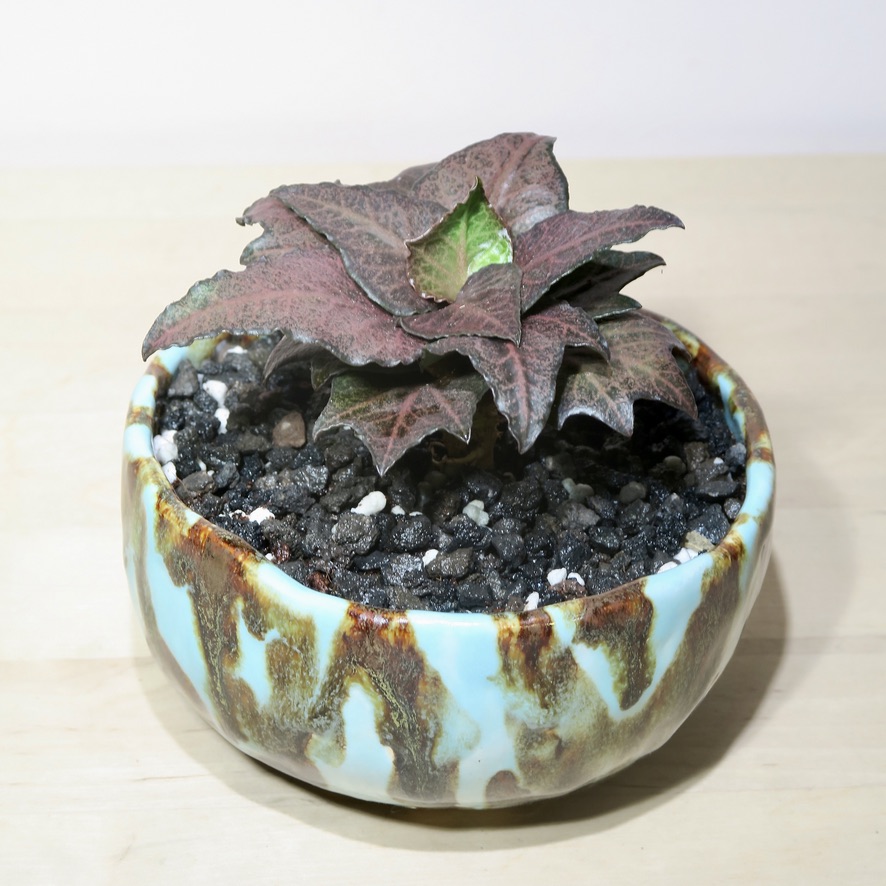
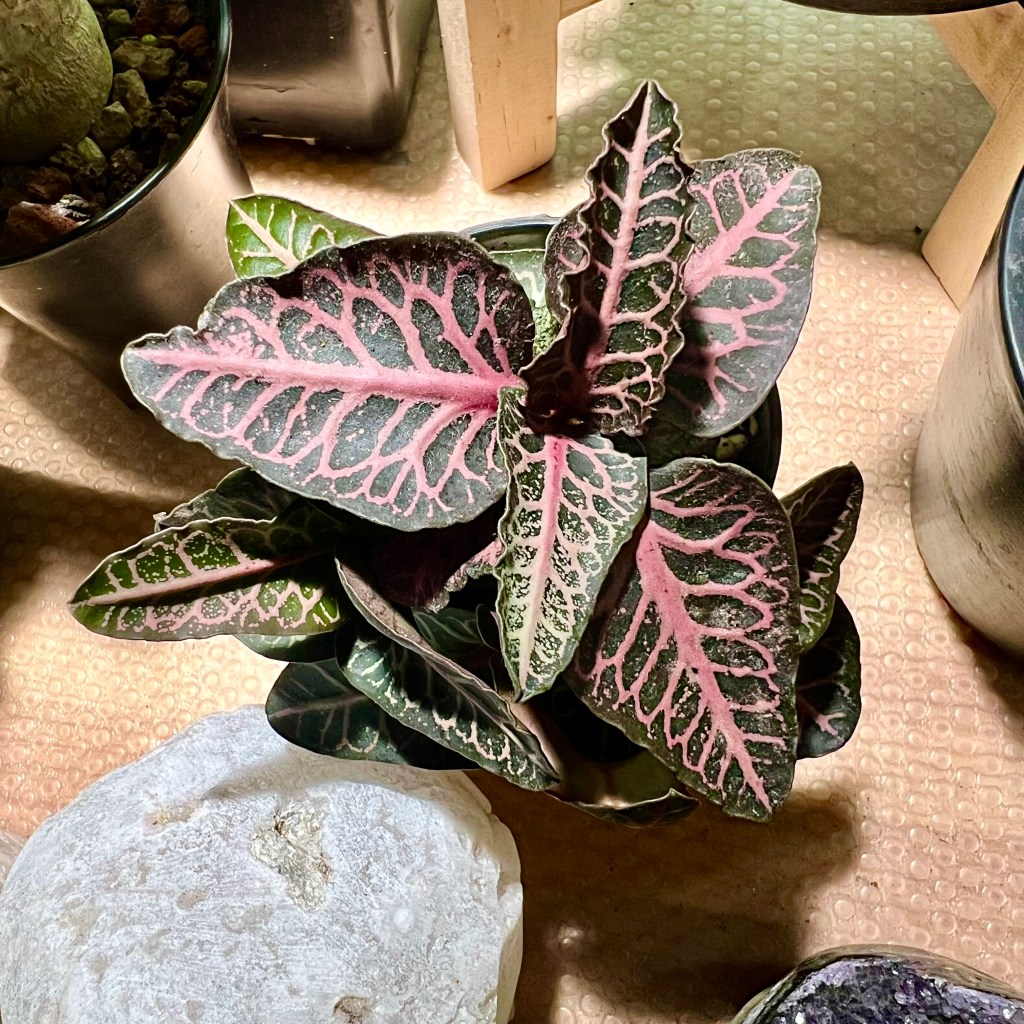
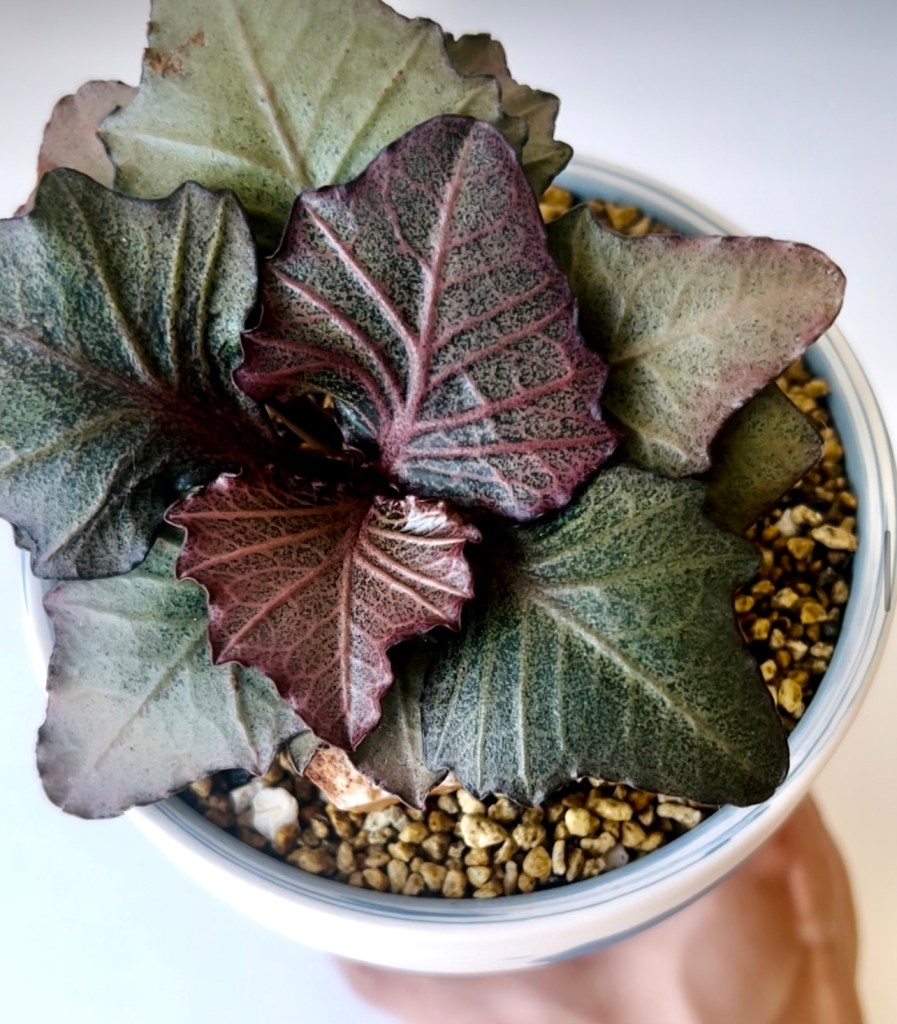
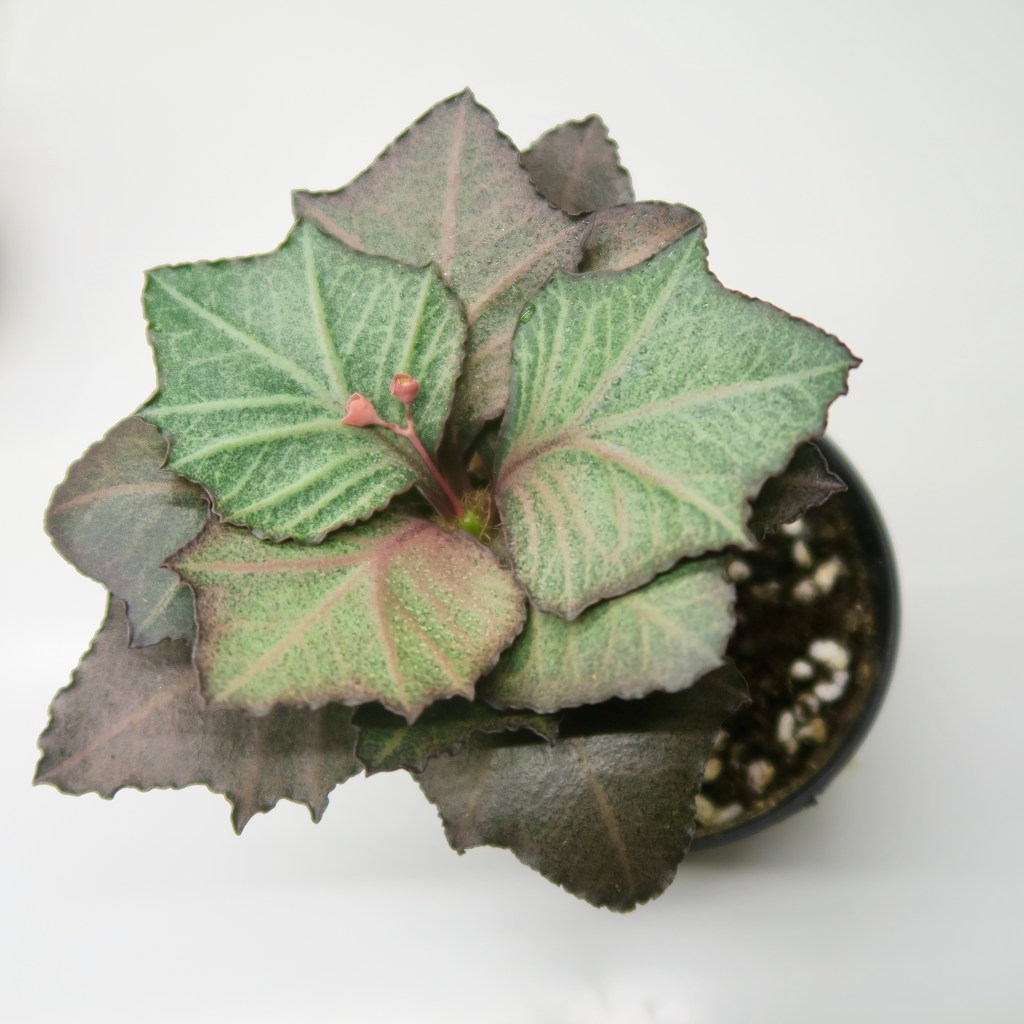
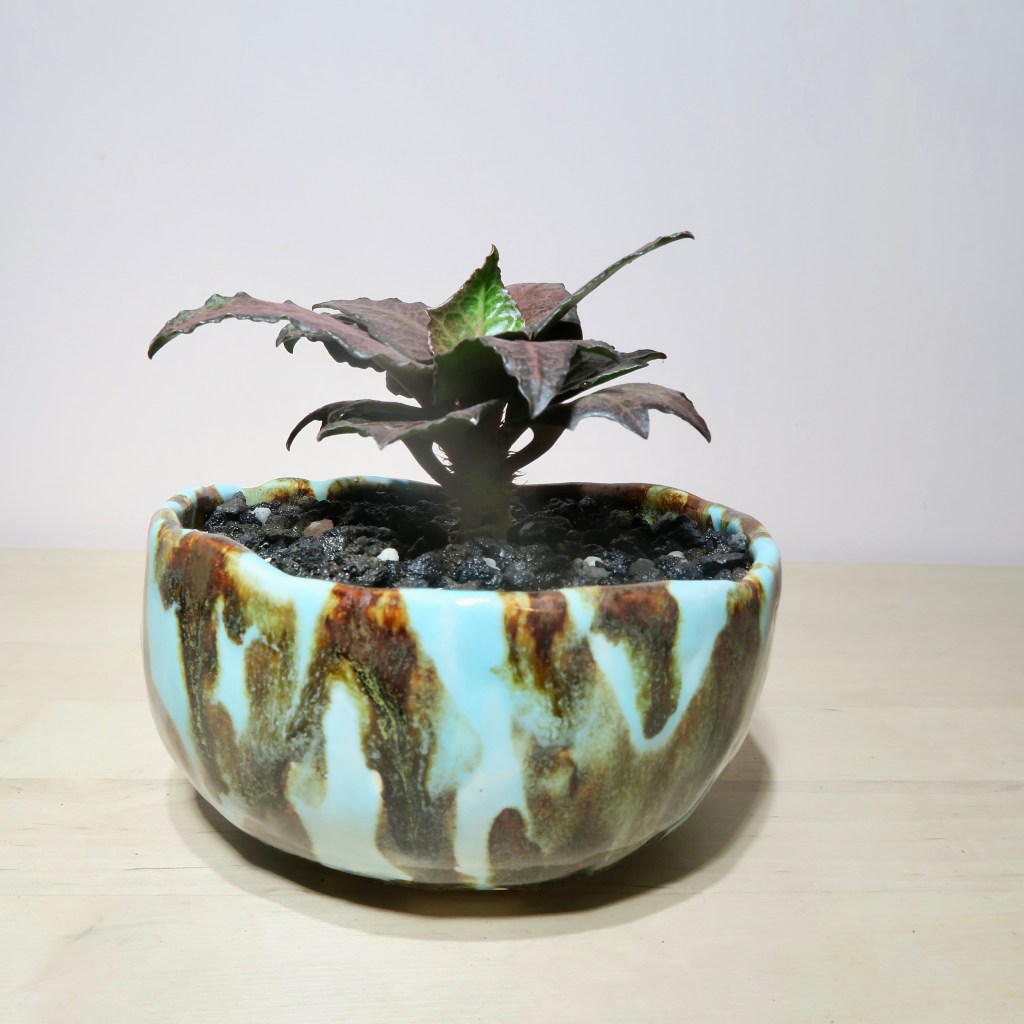
Euphorbia Francoisii is an exotic species of succulent in the family Euphorbiaceae. It is endemic and originates from Madagascar. It grows in semi-arid tropical forests and thrives in temperatures and humidity similar to Singapore.
Euphorbia Francoisii in the wild have very narrow leaves and are mostly green with pale colours. The variety, crassicaulis, is one of those with more distinct patterns and red coloured leaves and is the one the hybrids originated from.
Appreciating the Euphorbia Francoisiihybrids
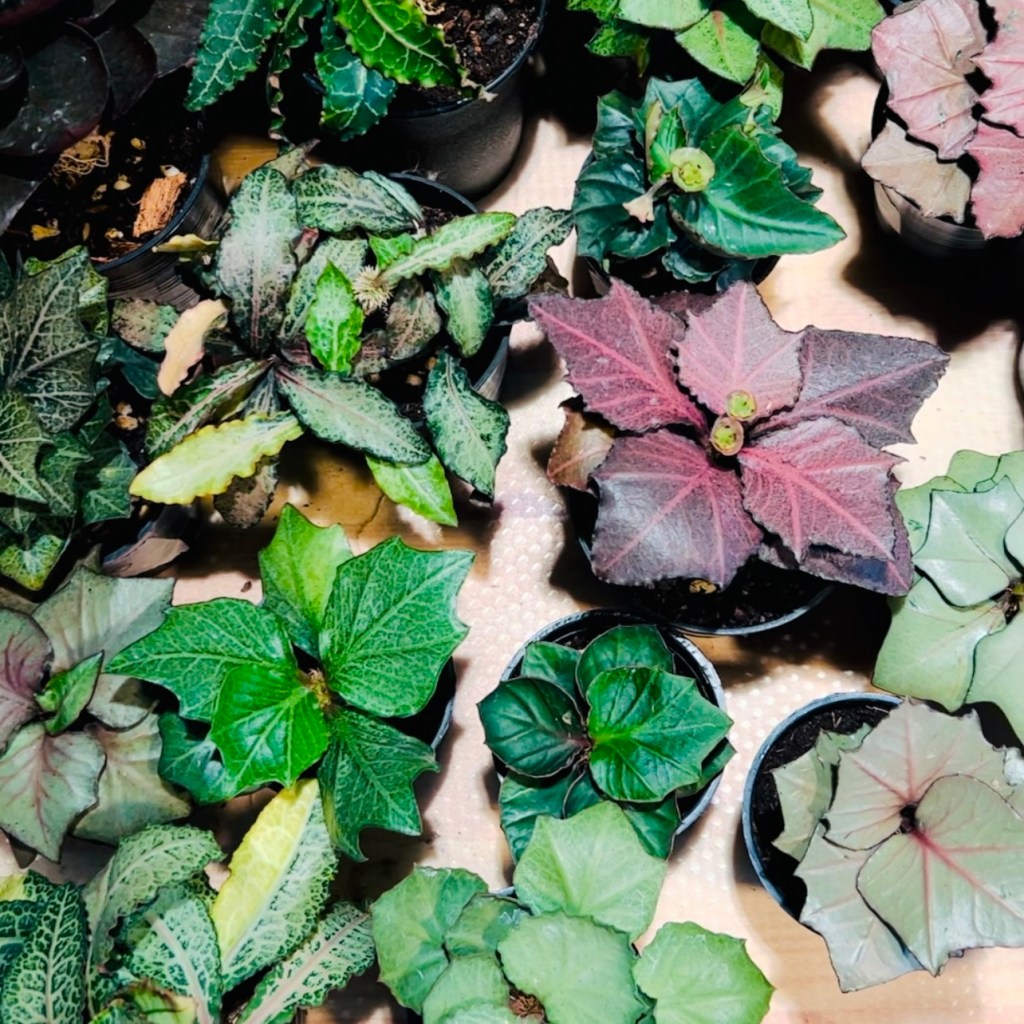
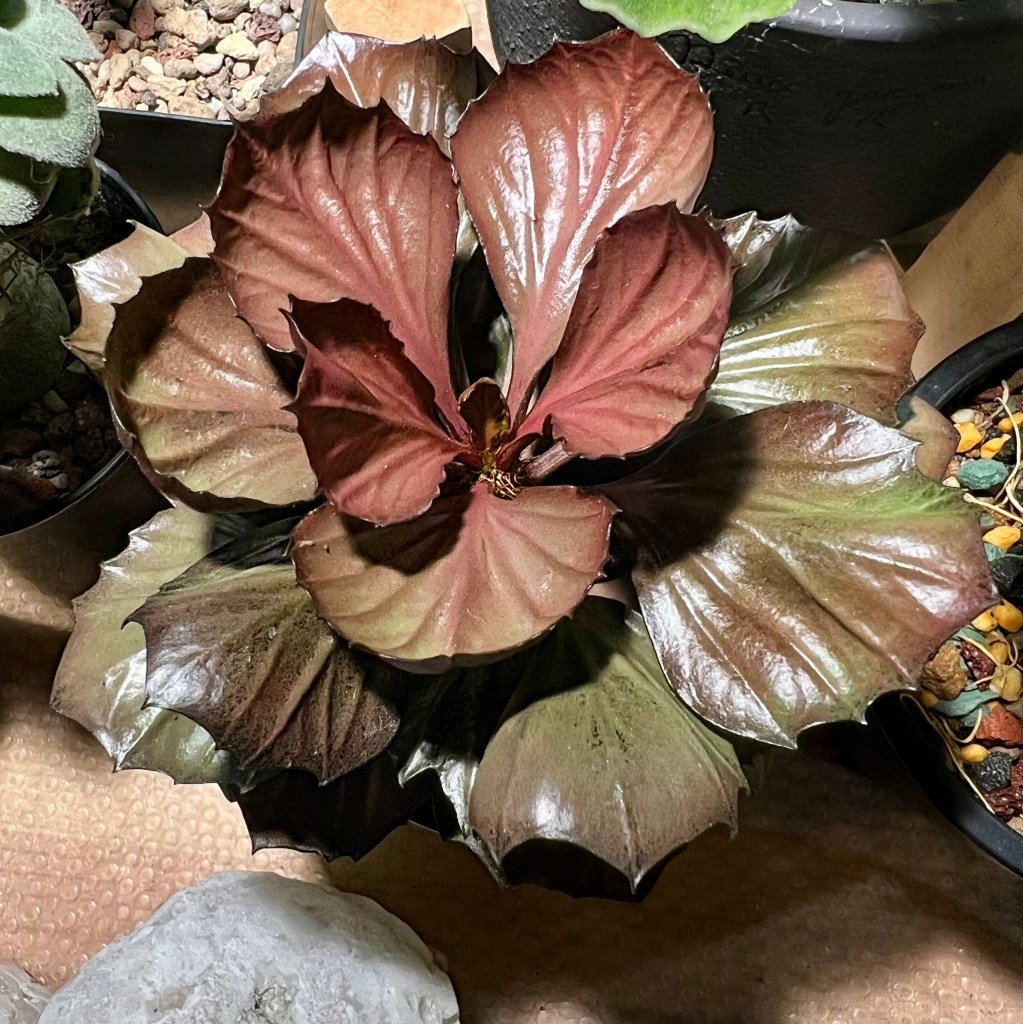
The ones available in our store are really attractive with strong vein lines and unique shapes and colours of leaves. They were all cross bred specially by growers from different plants, sometimes even with a current hybrid just so to create a unique set of plants that have the most unusual leaf forms and pretty colours. Each one in our store is bred and created by an award winning expert breeder. And the highlight is that each of them is special and unique with no two E. Francoisii hybrids looking alike. There are no twins.
The E. Francoisii hybrids are best viewed and admired from looking top down at their foliage .
Stunning colours & leaf shapes
Generally, breeders grade the leaves of the E. Francoisii hybrids from 3 distinct features : the leaf form, the colour of the leaves including the leaf veins and the consistency of the leaf characteristics. And how perfect they are to these 3 factors determines its popularity and the price.
Leaf forms
Leaf is wide with a broader leaf surface and short petiole. The shape is special and usually not narrow like those found in the wild. It has a very unique shape sometimes like a ivy gourd leaf shape. The best ones are formed so well, you can’t see the soil substrate when viewed from the top.
Colour of the leaves
Veins are clear and distinct. All colours on the leaf are clear and bright.
Consistency of the leaf characteristics
Starting from the bottom leaves to the top foliage, all the leaves have similar characteristics and look almost the same especially in shape.
Plant Care
Moisture Water the when substrate is almost dry at the bottom. When watering, water generously till water drains out of pot. Although the Euphorbia Francoisii hybrid is a very hardy plant, do not go long periods of drought without watering. When faced with a drought, it will start to drop its bottom leaves.
Light Low to medium light. You will see more growth when placed close to bright indirect light. Best in a spot with morning sun.
Check them out at our Joo Chiat studio.
If our little page here on the E. Francoisii hybrids have got you more interested in them, come on down and see the plants for yourselves at our Joo Chiat shared studio. Each Euphorbia hybrid plant here is unique and created by expert breeders who have won awards for cross-bredding and growing these unique plants. #notwoalike
Hoya Series: A Hoya series to share some of our experiences & tips uncovered while growing this hardy but beautiful plants. Stay tuned… By: Danny (All photos belong to plant folks. please credit if you are using them)
One thing about Hoyas that many Hoya lovers including me find attractive other than their exotic foliage and pretty blooms is really their hardiness and ability to survive and grow in difficult conditions, even in lesser light areas. Hope the Hoya tips will be useful to anyone who are growing Hoyas.
Ask any Hoya owner and they will tell you that this is definitely a high-light plant, although they prefer being in the shade most of the day. Morning sun which has a few hours of bright light is good to keep them going and some has even bloomed for me. Although I started growing Hoyas for their beautiful jungle foliage, their blooms are equally a treat. I will try and share my experiences and Hoya tips on growing them here indoors.
Hoya Environment
Hoyas are epiphytes and in the wild they mostly live on trees and some in rocky areas in the tropical countries of Asia and pacific areas like Australia and Papua New Guinea. They are usually from an environment that is hot, wet and high in humidity. This is something we need to keep in mind when growing Hoyas.
In Singapore where I lived, it is hot and humid so I tend to grow Hoya species that are from a similar environment. Although I have some Hoyas like them, I tend to avoid growing those that are from a cooler environment usually from the mountains. For example, Hoya species like Linearis and Globulosa. Here are some Hoya tips. Grow these Hoyas if you can give them a cooler environment. You can do this by keeping them in a cooler corner in the house and misting them a few times a day. Keeping them cool with the air-cooler or air-conditioner is a good idea.
Foliage
One reason for their unique shape and beautiful jungle-like foliage is the environment they lived in. The leaves often give you a hint to their living conditions and the care that is needed. As a Hoya grower, I always think these are really useful to know. Here are what some of the signs mean.
Succulent leaves– the hoya is from a drier environment and do not need to be watered that frequently because they can store water in the leaves for example my hoya burtoniae below could last more than a week without watering. Small leaves– the hoya grows in an environment that is bright and so they need a lot more light than a big leaf hoya. For example, the small leaves of the hoya krohniana eskimo needed stronger light to grow well. Thinner, darker, larger leaves – these characteristics usually come together and they generally mean the hoya is from a darker, wetter environment. Thinner leaves usually mean they need more watering and the larger leaves always means they need comparatively less light since their natural environment has very little.
The beautiful small splash leaves of the dainty Hoya Curtisii requires more and stronger light than the other hoyas to grow really well.
(Hoya curtisii seen here in hanging artisan planter here is available in our online shop. check it out.)
Light
Most Hoyas generally need really high light to do well. This is especially true for the ones with really tiny leaves. But they do so in doses of dappled light and not direct light. If they are placed in direct afternoon sun, the sun’s intense heat will burn them.
They really do best in a few hours of bright light in the morning at an east facing window, or a few hours in the south facing window. And most Hoyas like to be in the shade most of the day after taking in that intense light.
I have my Hoyas at the east-facing window that receives a few hours of dappled direct sun and I also supplement them with more light at night using grow lights. They are in the shade most of the day. Whether it is with natural light or grow lights, if you can grow them with close to 25000 lux (needed for high light plants) for at least 4 to 5 hours a day in addition to your normal morning sun, it would be sufficient for the Hoyas to grow well. Give your Hoyas additional light at night if they are in the shade most of the day.
Watering
If you have them indoors, water the Hoyas when the substrate is dry out. This is true for most species. Some Hoyas for example the Hoya Multiflora may like to hold more moisture and you can water them slightly earlier. While most Hoyas like to dry out, long spells of dryness will wither them, and they may not recover even when deeply watered. If you have Hoyas in coco substrate, it is best to shower them and spray straight into the substrate so that the water can reach the roots. Hoyas also like a good shower like all jungle plants to wash away the dust and dirt on them and cool them down. Some extra tips below on signs to water them from our Instagram post. Check out the third slide for the Hoya’s shrivelled, crinkled leaves.
Hoyas can survive quite well without too much fertilizers used but they will not grow very much. If you have your Hoyas in coco husk or coco peat with no organics in it, slow-released fertilizers are a minimum. Supplement this with a slightly weaker balanced fertilizer in the likes of npk 10-10-10. Being epiphytes and growing up in trees, they obtained their natural fertilizer from natural environment like bird droppings and so love an organic feed. So, it will be better to use those rather than a chemical one. I have mine on slow release osmocote 15-9-12 with trace elements as well as a weekly organic spray and some plant boosters.
Taking good care of your Hoyas will result in a happy plant with fuller and more beautiful blooms
Substrate
If you are those who buy their Hoyas from nurseries instead of growers, you will have a lot of them in a coco husk mix. If the Hoyas’ roots are not wrapped too tightly and grown into the mix, it will be best to change them. This is because coco husk although good for rooting Hoyas tend to dry out very quickly and even if you are an indoor grower, before the week is up, you may need to water them again. And if the coco is really old and hard, they will not hold any water at all and the Hoyas will be in long spells of dryness. It will be good to use a loose organic mix, with compost, coco peat and pumice rocks in them.
Hi there, Lately I have been posting quite frequently on Instagram and begin to realise that I not only have many plants but there are just tons of interesting details that I would like to share about them which I really can’t do in a quick post on Instagram. And so I have started this blog on our plant journey at home.